


 Mattress By Size


Mattresses and Technology: Smart Beds and Sleep-Tracking Innovations

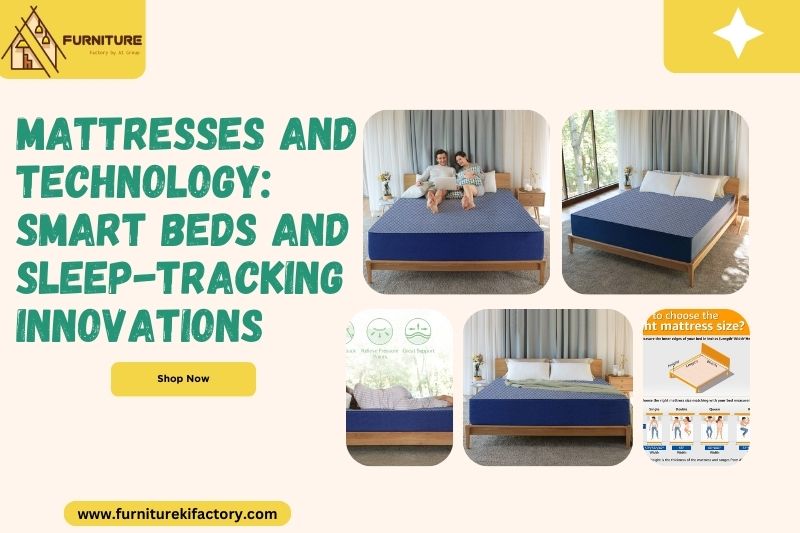
In recent years, the mattress industry has seen a significant evolution with the integration of technology into sleep solutions. Smart beds and sleep-tracking innovations have emerged as cutting-edge additions to the world of mattresses, offering features designed to enhance sleep quality and overall well-being. In this article, we’ll explore the intersection of mattresses and technology, delving into the realm of smart beds and sleep-tracking innovations.
1. Smart Beds for Personalized Comfort:
Smart beds are equipped with advanced technology that allows for personalized comfort settings. These beds often feature adjustable firmness levels, allowing users to customize their sleep experience. Whether you prefer a softer or firmer feel, a smart bed can adapt to your preferences, providing a sleep surface that caters to your unique comfort needs.
2. Adjustable Bases and Smart Controls:
Many smart beds come with adjustable bases that can be controlled through smart devices. With the touch of a button on a smartphone or tablet, users can change the bed’s elevation, tilt, or firmness level. This level of customization ensures that individuals can find their ideal sleeping position, alleviating issues such as snoring or acid reflux.
3. Sleep-Tracking Technology:
Sleep-tracking technology embedded in mattresses allows users to monitor their sleep patterns and gain insights into their nightly rest. Sensors within the mattress track movements, heart rate, and even respiratory patterns. This data is then analyzed and presented to users, offering a comprehensive view of their sleep quality.
4. Real-Time Sleep Feedback:
Smart mattresses provide real-time feedback on sleep quality, helping users understand the factors that may be affecting their rest. This feedback can include information on sleep duration, the number of times a person wakes up during the night, and the overall efficiency of their sleep. Armed with this data, individuals can make informed decisions to improve their sleep habits.
5. Smart Mattress Covers and Sleep Monitors:
For those who want to add smart features to their existing mattress, smart mattress covers and sleep monitors are available. These devices can be placed on top of a mattress and offer sleep-tracking capabilities without the need for a completely new bed. This provides a cost-effective solution for those looking to incorporate technology into their sleep routine.
6. Integration with Smart Home Systems:
Smart beds often integrate seamlessly with other smart home devices. This integration allows users to create a holistic sleep environment by syncing their smart bed with systems that control lighting, temperature, and even smart blinds. These synchronized efforts contribute to an optimized sleep space that promotes relaxation and comfort.
7. Sleep Coaching and Recommendations:
Some smart beds come with features that go beyond tracking sleep data. They may offer personalized sleep coaching and recommendations based on the user’s sleep patterns. This guidance can include tips for improving sleep hygiene, adjusting bedtime routines, and making lifestyle changes that positively impact sleep quality.
8. Partner-Friendly Features:
Smart beds often cater to couples with partner-friendly features. Dual-zone settings allow each side of the bed to be adjusted independently, accommodating different comfort preferences. Additionally, smart beds can provide insights into individual sleep patterns, helping couples understand how their habits may affect each other’s rest.
9. Temperature Regulation Technology:
Temperature plays a crucial role in sleep comfort. Smart beds may incorporate technology to regulate temperature, ensuring that the sleep surface remains cool and comfortable throughout the night. This can be particularly beneficial for individuals who struggle with temperature fluctuations during sleep.
10. Continuous Updates and Upgrades:
One of the advantages of smart beds is the potential for continuous updates and upgrades. Manufacturers can release software updates that enhance features, introduce new capabilities, or address any issues. This ensures that users can enjoy the latest advancements in sleep technology without having to replace their entire mattress.
Conclusion:
The integration of technology into mattresses, particularly with the advent of smart beds and sleep-tracking innovations, has transformed the way we approach sleep. These advancements offer personalized comfort, real-time sleep insights, and the opportunity to make informed decisions for better sleep hygiene. As technology continues to evolve, smart beds are likely to become even more sophisticated, providing users with an increasingly tailored and optimized sleep experience. Whether you’re seeking customizable comfort or detailed sleep analytics, the intersection of mattresses and technology opens up a world of possibilities for improving your overall sleep quality and well-being